Trent Reznor Once Doubted The Downward Spiral Would Sell
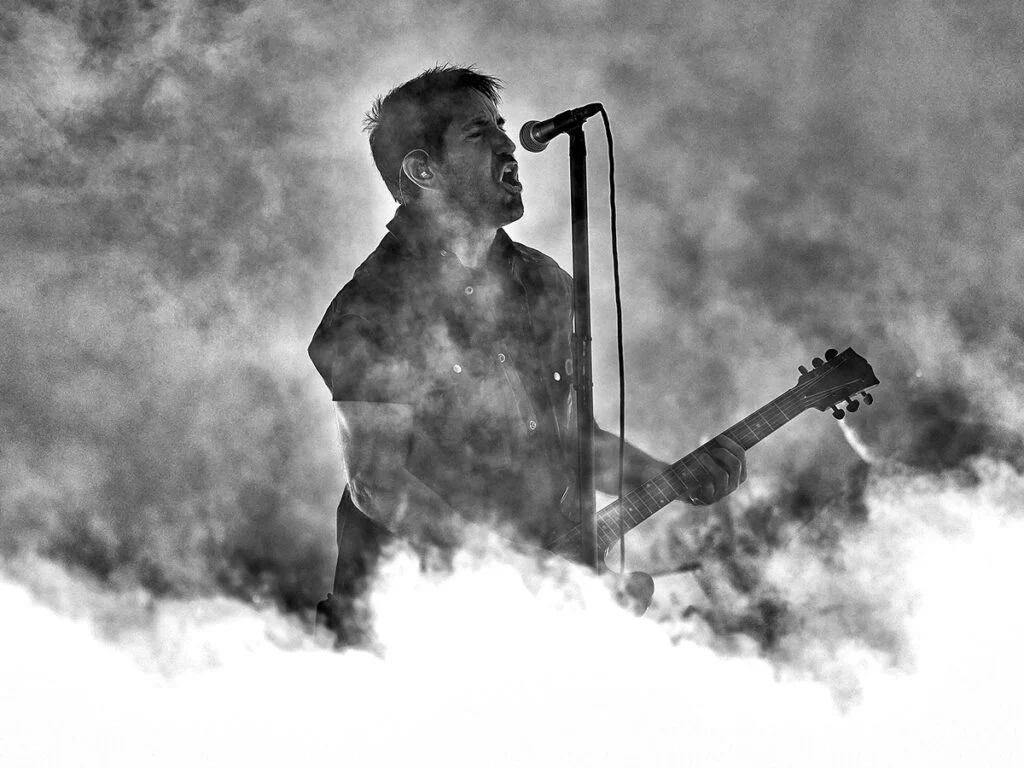
British outlet Far Out Magazine has revisited the making of Nine Inch Nails' 1994 album The Downward Spiral, pulling from an interview Trent Reznor gave the same year the record came out. At the time, Reznor said he didn't believe the album had commercial potential and doubted that fans of the band's debut, Pretty Hate Machine, would embrace it. The album went on to sell 5 million copies worldwide and is now regarded as a landmark industrial rock record.
From Pretty Hate Machine to a breaking point
Reznor spent much of the 1980s working as a backing musician for various bands, putting together Pretty Hate Machine — which included "Head Like a Hole" and "Terrible Lie" — during off-hours at the studio where he worked. Touring behind that debut, he fell into addiction and excess, and his live performances became increasingly unpredictable.
Back in the studio, Reznor wanted to make a record that reflected his own fragile mental state. After the Broken EP showed how aggressive Nine Inch Nails could get, The Downward Spiral went in a direction that caught many listeners off guard.
Bowie's Low and the Mr. Self Destruct character
Discussing the album in 1994, Reznor named David Bowie's Low as a major influence, particularly its songs that drift without delivering the expected verse-chorus payoff. Tracks like "A Warm Place" let him create a sense of oppression without resorting to screaming — the darkness came from leaving the listener alone inside the atmosphere.
Half industrial rock, half ambient theatre, the album saw Reznor project his own unease onto the character of "Mr Self Destruct," who causes chaos throughout the record and meets his end near its close.
Flaws left in on purpose
Drummer Chris Vrenna later explained that the drums at the end of "Piggy" were deliberately loose and off the beat, and that Reznor's piano on the closing section of "Closer" was never digitally aligned to the tempo. Even though electronic production could have polished every detail to perfection, Reznor chose to leave those rough edges in the finished record, giving the whole album an instability that feels like even the machinery can barely hold together.
Speaking about the recording, Reznor said he worried "there was a danger" that the album might not contain a real single at all, and that fans who loved Pretty Hate Machine would not like The Downward Spiral. He described it as possibly a consciously self-sabotaging commercial move, but said it was what came out of his head, and the strongest statement he could make at the time.