Olivia Rodrigo Draws the Line on AI: "I Would Never"
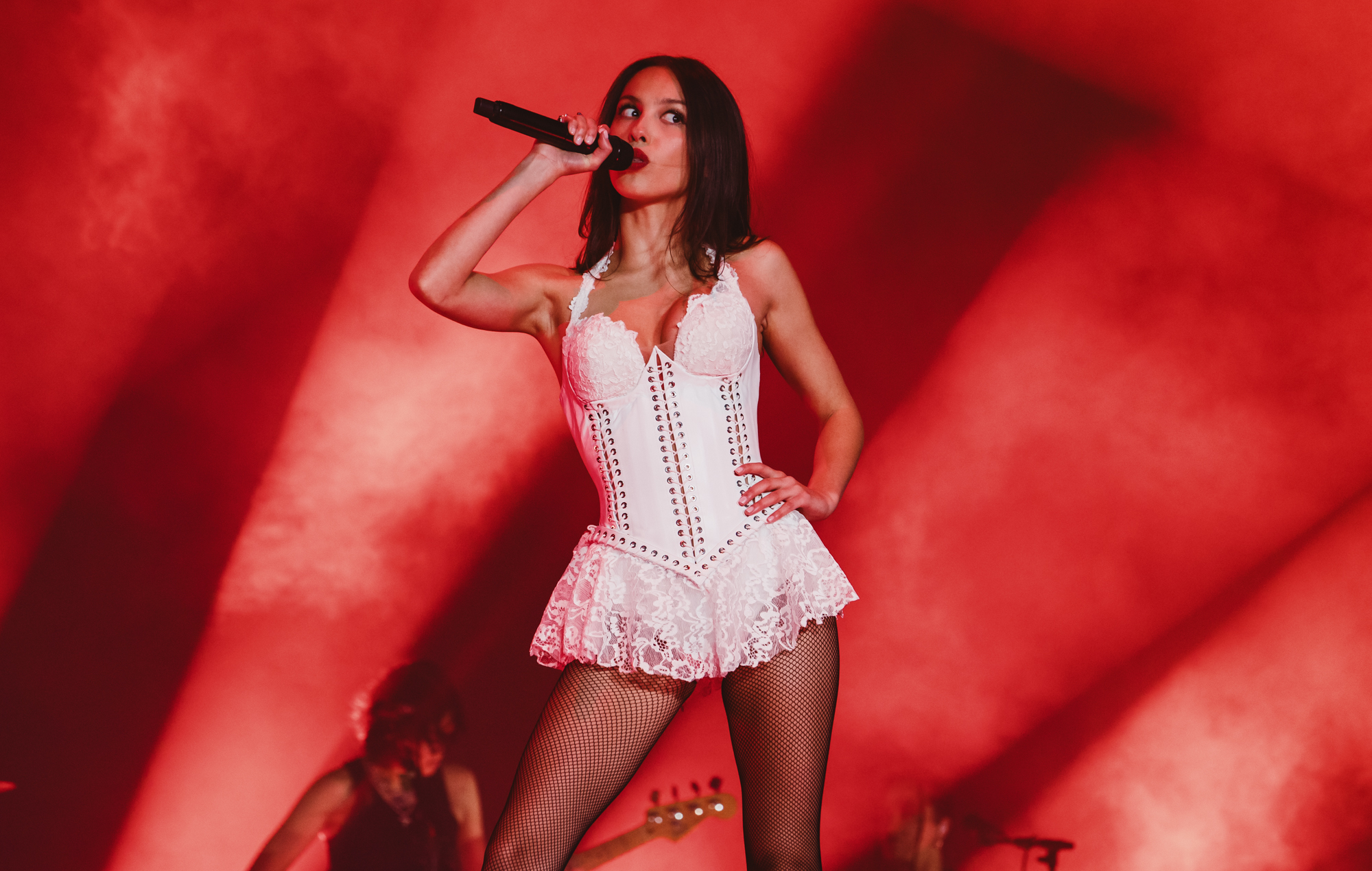
Olivia Rodrigo says AI has no place in her songwriting — full stop. In a new interview with The Hollywood Reporter, the singer was asked directly whether she'd ever use AI in her creative process. Her answer: she would "absolutely never" use the technology in any of her music, calling it a "hard line" for her. As NME reports, the comments arrive as disputes over generative AI and music copyright keep intensifying.
The one time she came close: ChatGPT song titles
Rodrigo revealed that she and her longtime producer Dan Nigro once tried, out of curiosity, asking ChatGPT to generate song titles in an "Olivia Rodrigo style." Her verdict: every single suggestion was terrible. Beyond that one experiment, she says there's no room for AI anywhere in her creative process.
The backdrop: Suno's lawsuits and a divided industry
NME notes that last month Suno admitted to training its AI models on audio pulled from YouTube, reigniting the debate over whether copyrighted material can be used to train generative tools without consent. Musicians including Jason Isbell have sued Suno, arguing that the platform's output deliberately evokes specific artists' identities and styles without permission.
Not everyone in the industry agrees. Dr. Dre has said he's currently "embracing" AI, comparing the pushback against it to the skepticism drum machines and synthesizers faced when they first appeared.
New album and the Unraveled Tour
Rodrigo's third album, You Seem Pretty Sad For A Girl So In Love, came out in June. NME gave it four and a half stars, calling it a "bittersweet, cinematic journey" and evidence of her growth as a songwriter and composer.
She has since launched the Unraveled Tour, which includes multiple nights at The O2 in London next spring.
In August, Rodrigo staged the first edition of Daisy Chain Fields, an all-female music festival in California featuring Chappell Roan, Doechii, Bikini Kill and Garbage, raising millions of dollars for organizations supporting women and girls. After the event, a food vendor who worked the festival published an open letter alleging they were never paid and criticizing on-site management.