How The Mars Volta Dragged Prog Rock Into the 21st Century
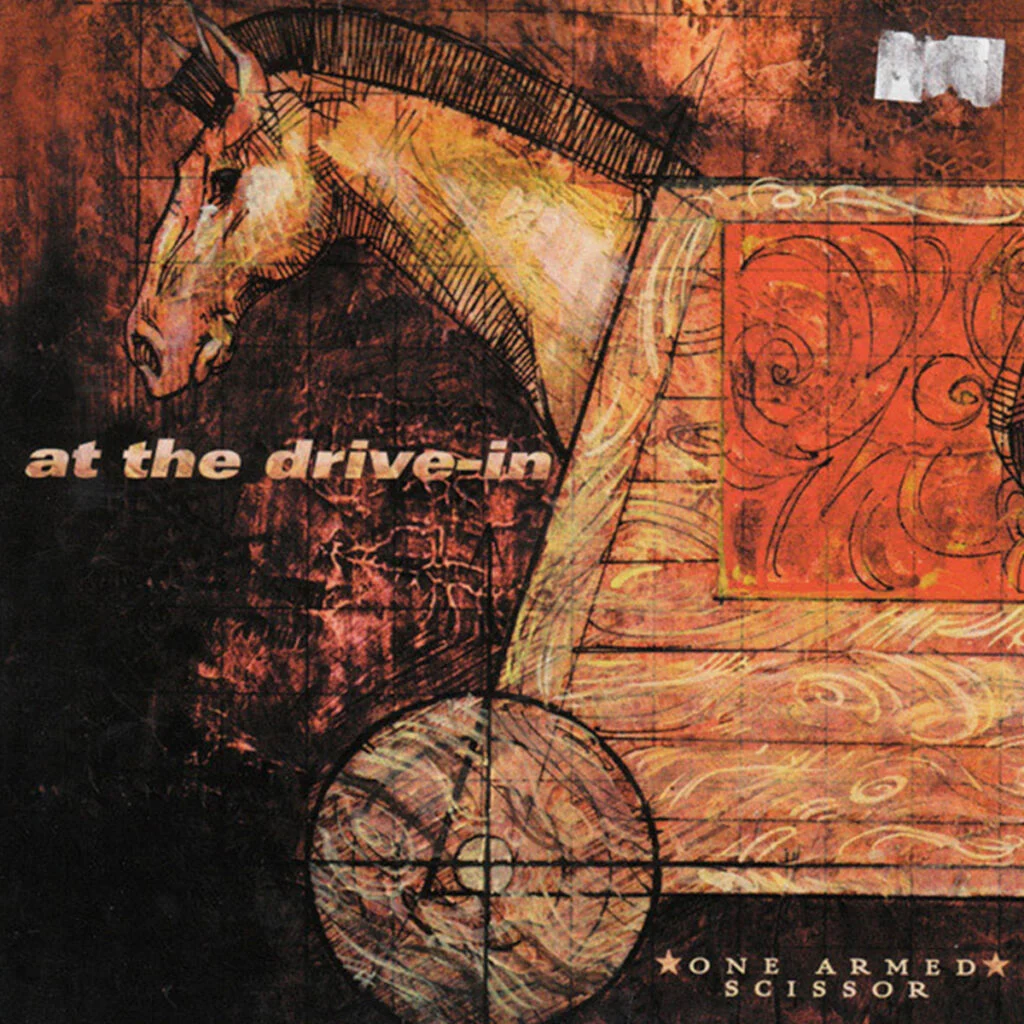
A new long-read from Far Out Magazine revisits how The Mars Volta emerged from the wreckage of At the Drive-In and rewired what progressive rock could sound like in the 2000s. The piece traces the story back to At the Drive-In's 2000 single "One-Armed Scissor," and the pivotal choice by frontman Omar Rodríguez-López and singer Cedric Bixler-Zavala to abandon their growing MTV exposure and start over with an entirely different band.
From At the Drive-In's collapse to De-Loused in the Comatorium
At the Drive-In split abruptly in 2001, dividing its members into two camps: Jim Ward, Paul Hinojos and Tony Hajjar formed the emo-hardcore band Sparta, while Rodríguez-López and Bixler-Zavala launched The Mars Volta, pursuing a far less commercial, harder-to-classify art-rock direction.
Their 2003 debut, De-Loused in the Comatorium, was produced by Rick Rubin, with Flea of Red Hot Chili Peppers on bass and a guest appearance from John Frusciante. The album's concept centers on the pair's late friend, El Paso artist Julio Venegas, who died in 1996 — not as a nostalgic tribute, but as a conceptual journey through his artistic spirit. The record moves through punk, ambient, noise and jazz, reaching No. 39 on the Billboard chart and No. 43 in the UK, well ahead of Sparta's debut, which peaked at No. 71.
Speaking to NME, Rodríguez-López said The Mars Volta's music wasn't bound by conventional rock-band structure, describing the approach as simply "following every instinct in the writing and the sound." That stance helped make The Mars Volta one of the few bands to genuinely expand rock's vocabulary in the post-nu-metal era, cementing their place in prog rock history.
At the Drive-In: self-denial, then reassessment
Notably, both Rodríguez-López and Bixler-Zavala publicly downplayed At the Drive-In's legacy in The Mars Volta's early days. Rodríguez-López called the earlier band's work "pretty adolescent," while Bixler-Zavala went as far as questioning whether At the Drive-In's popularity had been little more than "magazine hype." Both later reassessed that legacy more generously, but the 2003 break was decisive — and it's what made The Mars Volta possible.
The full analysis is available at Far Out Magazine.