After Macklemore's Removal, Lawyers and Insurers Weigh In on Tour Contract 'Speech Protections'
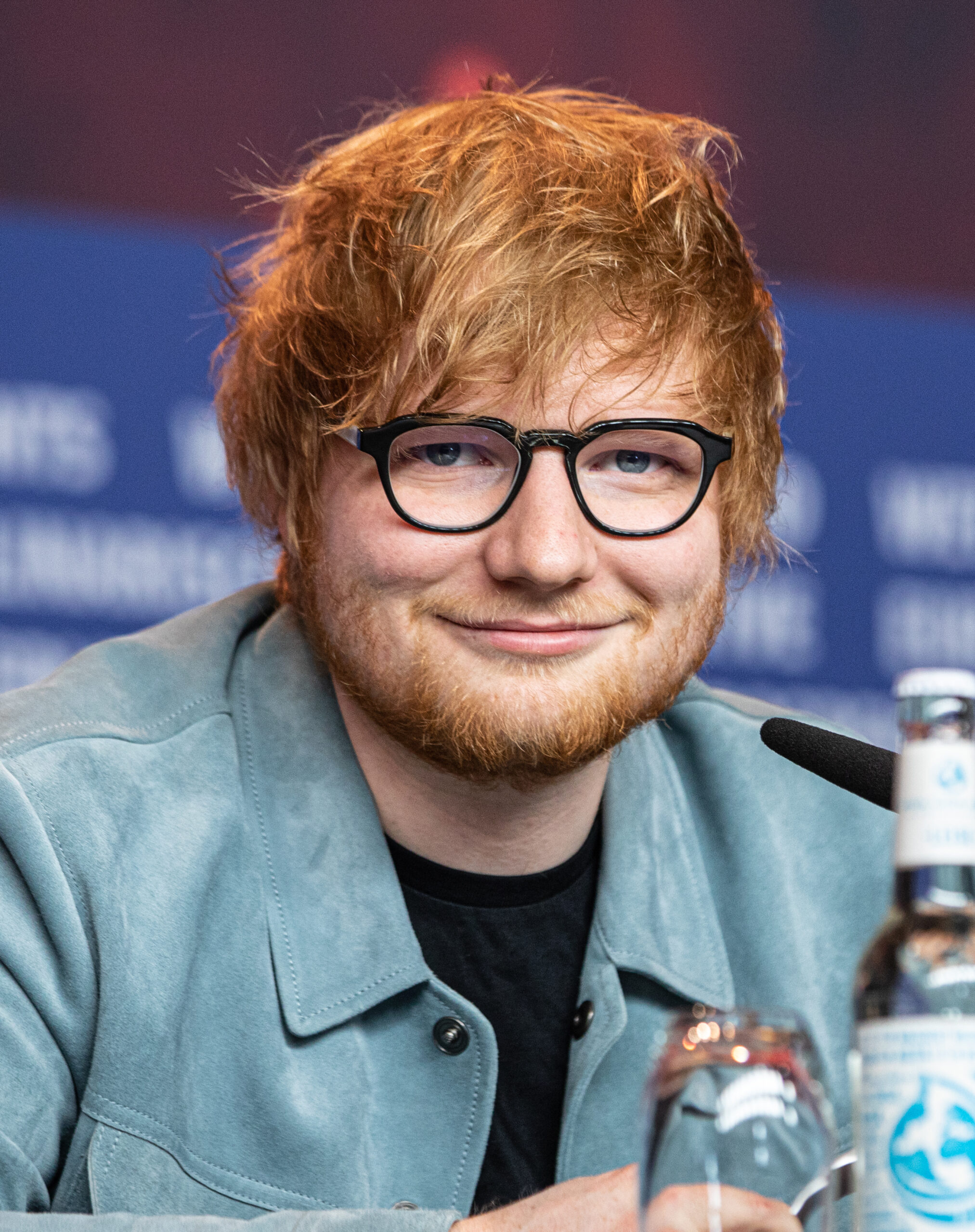
Macklemore was removed from Ed Sheeran's US stadium Loop Tour after making pro-Palestinian remarks onstage, and several other support acts and a backing band subsequently withdrew in solidarity. A report published by trade publication IQ on September 23, 2026 (by Hanna Ellington) surveyed lawyers and insurance specialists on three questions: who absorbs the loss if a show is cancelled over this kind of incident, whether reputational risk can be insured, and whether artists should start writing "speech protection" into their tour contracts. At his first show after the incident (Saturday, September 19), Sheeran said he was "very worried" about the idea of venues pre-vetting show content, calling it something that "shouldn't happen in the free world."
What happened
According to IQ, the decision to remove Macklemore came from a group of stadium owners led by Gillette Stadium owner Robert Kraft, who said Macklemore's comments "crossed a line" and turned his stadium into a "platform for hate speech." Sheeran said fans "don't expect" a political forum at his shows, and faced some calls to cancel remaining dates in solidarity — which did not happen.
Who eats the loss: promoters, venues and insurance
Legal and insurance sources told IQ that liability hinges on the stated reason for cancellation. If a venue cancels citing reputational damage, refunds and sunk costs typically fall on the promoter — one source noted reputational-damage claims are almost impossible to insure, which in turn affects how losses get split between artist and promoter. The reverse scenario: if an artist cancels voluntarily (say, in protest or solidarity), insurers generally won't pay out, and promoters/venues may be excused from paying the artist's fee — cancellation has to be "necessary," and insurers are unlikely to cover a decision within the artist's own control. But if a support act's comments are judged to have damaged a venue's reputation, sources suggested the promoter could still be on the hook to pay that artist, as the promoter may be in breach of contract. Henry Long, a music and live-event insurance consultant at Tysers, added that payout depends on whether the cause of cancellation was within the insured party's control, and that contract terms between the parties ultimately determine where financial loss lands. "Reputational risk" policies do exist, Long said, but they're typically held by promoters or producers, not artists.
Contract takeaways: speech protection and vetting support acts
Experts agreed artists' teams should treat speech-related protections as a formal negotiating point — not just for headliners but for support acts too, especially on shows where venues hold greater cancellation or approval power. Where an artist contracts with a promoter rather than directly with a venue, that contract should spell out who actually has authority to remove a support act or other performer. IQ cited Ye (Kanye West)'s contract at one Loop Tour venue, Tampa's Raymond James Stadium, reportedly containing a clause preventing cancellation over his "identity, past remarks, political positions or anticipated speech content." Experts called such clauses rare but proof they can be negotiated. The episode has also raised the stakes around support-act vetting: four support acts plus a backing band withdrawing was enough to put the whole tour in question. Sources expect promoters and venues to scrutinize support acts' past statements, political activity and reputational risk more closely going forward — a judgment call made harder the earlier a tour lineup is locked in.
The First Amendment doesn't override a contract
Asked whether US tours could invoke First Amendment protections against a venue's cancellation threat, one legal source was blunt: the First Amendment "doesn't override" contract terms — if a contract grants the relevant rights, and the venue can show the performance would damage its commercial reputation, the venue is within its rights to refuse the show. Another avenue would be to argue that onstage remarks constituted "incitement," but insurance experts noted the bar is extremely high, requiring proof the audience was placed in actual danger — something very hard to establish in Macklemore's case. Several experts also noted that promoters and venues alike don't want to lose future business with each other; rather than spend heavily to challenge a venue's contractual right to remove a support act, promoters will typically prioritize preserving the relationship — a business decision.
Industry context: does giving someone a stage mean endorsing them?
Over the past 18 months, several festivals have faced the same tension. Hungary's Sziget reaffirmed its free-speech stance after the government barred Kneecap from entering to perform; France's Eurockéennes de Belfort condemned a decision to ban a controversial rapper from performing; and Denmark's Syd For Solen said it was an "honor" to give artists a platform to discuss humanitarian issues. Superstruct Entertainment recently introduced an Artist Code of Conduct stating it "will not censor artists simply because their position is controversial," while setting boundaries around discrimination, safety and incitement. The company has drawn heightened scrutiny following a contested acquisition by parent company KKR. Experts interviewed agreed that for tours the scale of the Loop Tour, the biggest question is how risk gets distributed between artist, promoter and venue. The likely result: more complex contracts and longer negotiations, aimed at preventing similar incidents mid-tour in the future.