Henry Rollins on the Grammys: "I Don't Need a Trophy"
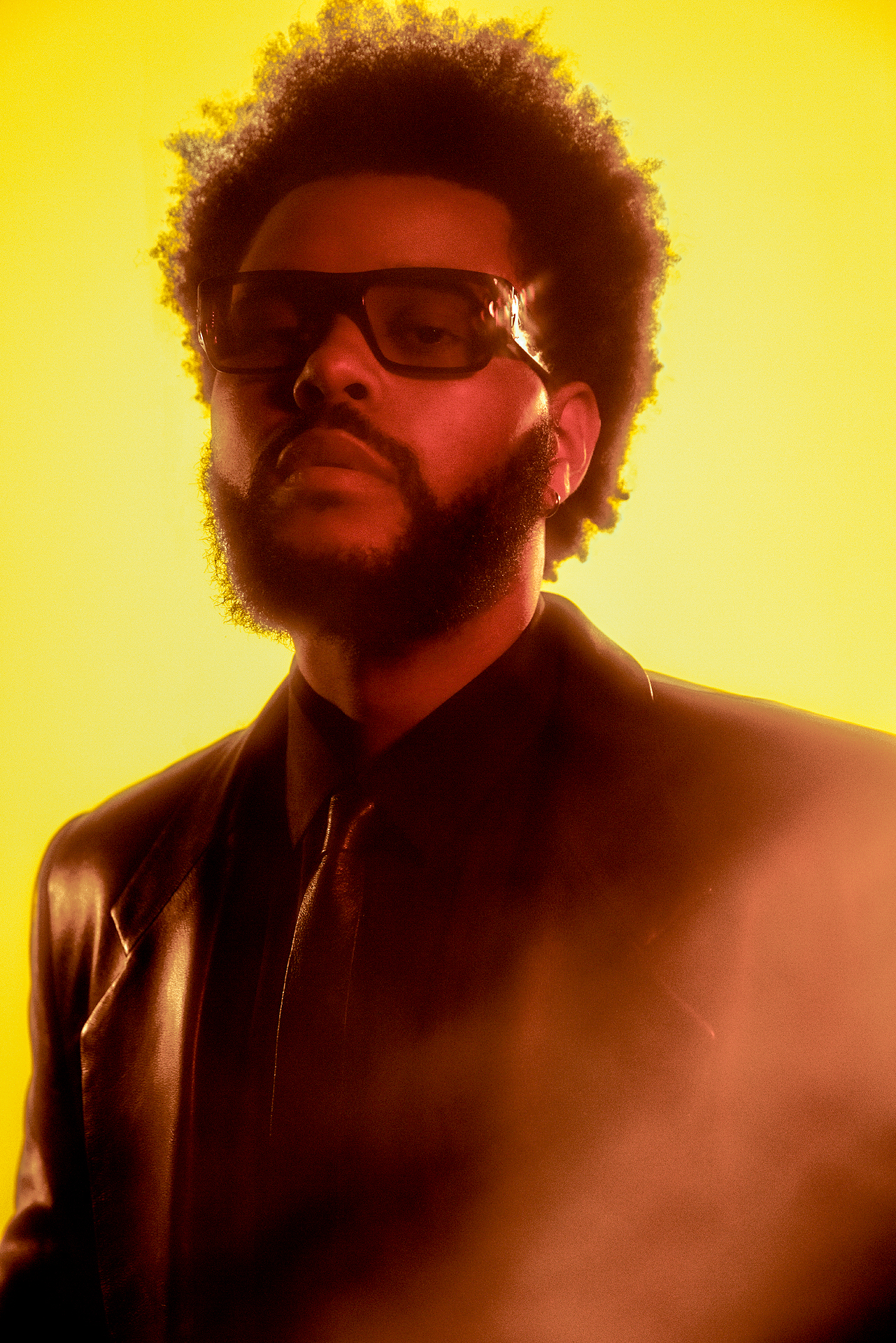
Far Out Magazine published a retrospective on August 26, 2026 revisiting American singer and writer Henry Rollins' long-running skepticism of the Grammy Awards. Rollins won Best Spoken Word Album for Get in the Van in 1995, but has maintained that putting art into a competitive framework is fundamentally odd. The piece also lines up The Weeknd, Frank Ocean and Sinéad O'Connor as artists who have kept the Grammys at arm's length in their own ways.
Rollins' own win
According to the report, Rollins showed up to the ceremony in rehearsal-casual clothing, and was briefly stopped by security because his look didn't match the black-tie expectations of the red carpet. The trophy itself didn't stay with him — he says it disappeared for years before he eventually got it back; it now sits in his boss's office.
He contrasts the trophy with another common music-industry keepsake. Rollins says he's received plenty of platinum and gold records over the years, mostly not for his own work but for albums he contributed to. His practice with those is to say thanks, sign them, and donate them to charity auctions — "even if it sells for 88 cents, somebody got something."
A trophy, he argues, is different. Handing out an award for art effectively declares one song better than another, when it's still just a song. As he put it: "I don't need a trophy."
Other artists who've distanced themselves
Rollins isn't alone, per the report. The Weeknd announced he would permanently boycott the ceremony after his album After Hours and single "Blinding Lights" received zero nominations. Frank Ocean refused to submit Blonde for consideration at all, criticizing the awards system as outdated and unrepresentative of younger artists.
An earlier, well-known case is Sinéad O'Connor. After being nominated in 1991, she declined to attend and released an open letter condemning the ceremony's heavy commercialism and what she called its "false and destructive materialistic values." She argued an artist's real job is to inspire, guide and heal. She went on to win Best Alternative Music Performance for I Do Not Want What I Haven't Got — and still didn't show up to collect it.
The throughline
Far Out Magazine ties these cases together around one idea: there's no objective winner in art. Awards reflect the industry's judgment at a given moment, not the actual value of the work.