Eli Lands NME Cover: Life After 'Stage Girl'
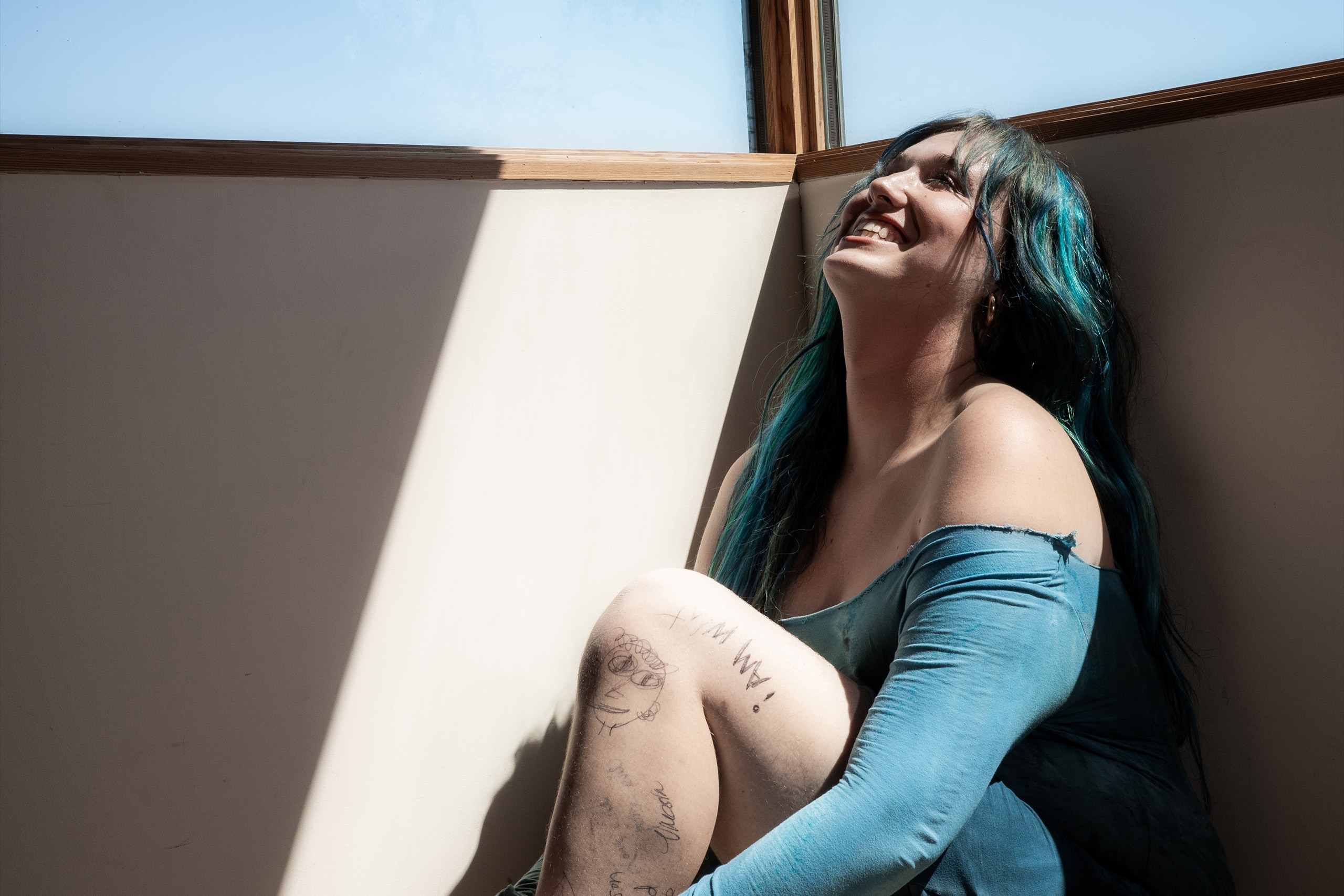
American singer-songwriter Eli is the latest cover story for NME, speaking to the outlet via video call about how fame has shifted her outlook a year on. The 25-year-old, now based in Los Angeles, broke through with her 2025 debut album Stage Girl, which NME named one of last year's best debut albums. The record is itself a meta-narrative about chasing pop stardom. The interview was published October 5, 2026.
From bedroom recordings to Zelig Records
Eli grew up in a small town in Massachusetts as a self-described theater kid, drawing early inspiration from big-voiced singers like Mariah Carey and televised singing competitions. She recorded songs in her bedroom as a teenager, released a string of singles, and briefly had a following as a Vine personality. After a short stint studying recorded music at NYU, she moved west to Los Angeles and was signed to Zelig Records, the label run by producer Mark Ronson.
Her music blends theatrical flourishes with Y2K-leaning pop and confessional lyrics: 'Marianne' deals with the pain of a past relationship, while 'Somebody I'm Not' confronts her gender anxiety and performativity as a transgender woman. Her supporters include Troye Sivan, Doechii, and Zara Larsson.
The Strange Girl tour and Daisy Chain Fields
This year, Eli has been on her Strange Girl tour across North America, reshaping the final leg into a darker, more paranoid overall concept meant to comment on the music industry's built-in capitalist ills.
In August, she was invited to perform at Olivia Rodrigo's inaugural Daisy Chain Fields benefit, alongside fellow performers Mitski, Santigold, and Stevie Nicks. Eli opened her set with a speech she wrote in the car on the way to the venue, calling for harmony, freedom, and to 'eat the rich,' drawing escalating applause from the crowd.
After footage of the speech spread online, critics dismissed it as hollow 'champagne socialism,' pointing to her father's past role as COO of investment firm Geode Capital to call her a hypocrite. Eli told NME she once believed that reaching the fame she wanted would make her completely happy, let her come out publicly as transgender, and allow her to give her wealth back to others — but she now realizes there are bigger things to reckon with and bigger conversations to have. She said Daisy Chain Fields helped her reconnect with why she became an artist in the first place: to be a force for revolution and healing in the world.