Brian Eno on Endless Bowie Questions: 'I'm Somewhere Else Now'
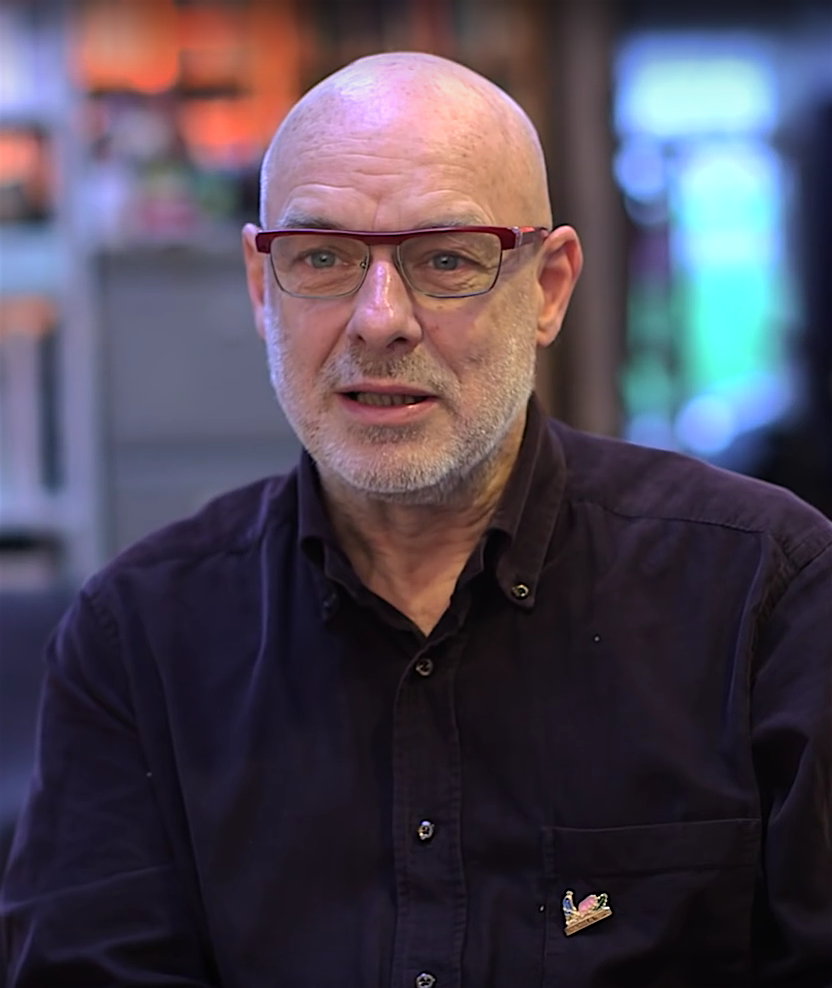
Brian Eno has stopped hiding his fatigue with the question journalists keep asking him: what it was really like in the studio with David Bowie. In a 2025 interview with The Guardian, Eno said the experience was great, but "I'm somewhere else now." Far Out Magazine picked up the remark to revisit the parts of Eno's career that tend to get overshadowed by the Bowie connection.
The same question for fifty years
According to The Guardian, Eno reportedly mimicked journalists' tone when describing how often he's asked about the Bowie sessions, with a note of impatience. Far Out Magazine notes this makes sense given Eno has never been drawn to nostalgia, keeping his focus on developing new methods and territory rather than revisiting old work.
Low, the first record in what's commonly called Bowie's "Berlin Trilogy," is nearing its fiftieth anniversary — meaning Eno has been fielding these questions for just as long. Far Out Magazine also raises a separate point: whether these three albums should really be grouped as a trilogy, or defined by Berlin at all, remains open to debate.
The career beyond Bowie
Eno first reached a mass audience in 1972 via Roxy Music's Top of the Pops performance of "Virginia Plain," where he operated an EMS VCS 3 synthesizer under a flamboyant, one-name persona. He was the experimental anchor on the band's first two albums before launching a solo career with Here Come the Warm Jets, eventually moving into the ambient music that would define his legacy.
He also built a reputation as a studio producer, helping Talking Heads and U2 make some of their defining records, while offering commentary on art and politics outside of music throughout his career.
What the Berlin era actually produced
Produced by Tony Visconti, Low and "Heroes" are described by Far Out Magazine as a textbook display of both men's talents: Bowie's creative restlessness and instinct to leave his comfort zone, paired with the structure and encouragement Eno provided.
Both albums blended synthesizer textures, a Kraftwerk-influenced electronic drive, and warped funk fragments — often cited as a blueprint for post-punk, and a gateway for British and American listeners into Germany's experimental underground scene. For Bowie personally, the records marked a creative reset following his Los Angeles period. The third album, Lodger, is described by Far Out Magazine as leaning closer to New York's avant-garde sensibility than to cold continental Europe.