Is 'Barricade Culture' Breaking Live Music? A UK Magazine Investigates
UK outlet Far Out Magazine published a commentary piece on July 16, 2026 examining "getting barricade" — the practice, amplified by social media, of fans camping outside venues for days to secure a spot at the front rail. According to the article, as shows and crowds have grown larger, what used to be a few hours of queuing has for some fans become a multi-day ordeal: sleeping rough outside the venue, skipping washing, and rationing food and water. The piece describes the scene as feeling "more like Survivor" than a line of people waiting outside the O2 Arena.
Artists have addressed it from the stage
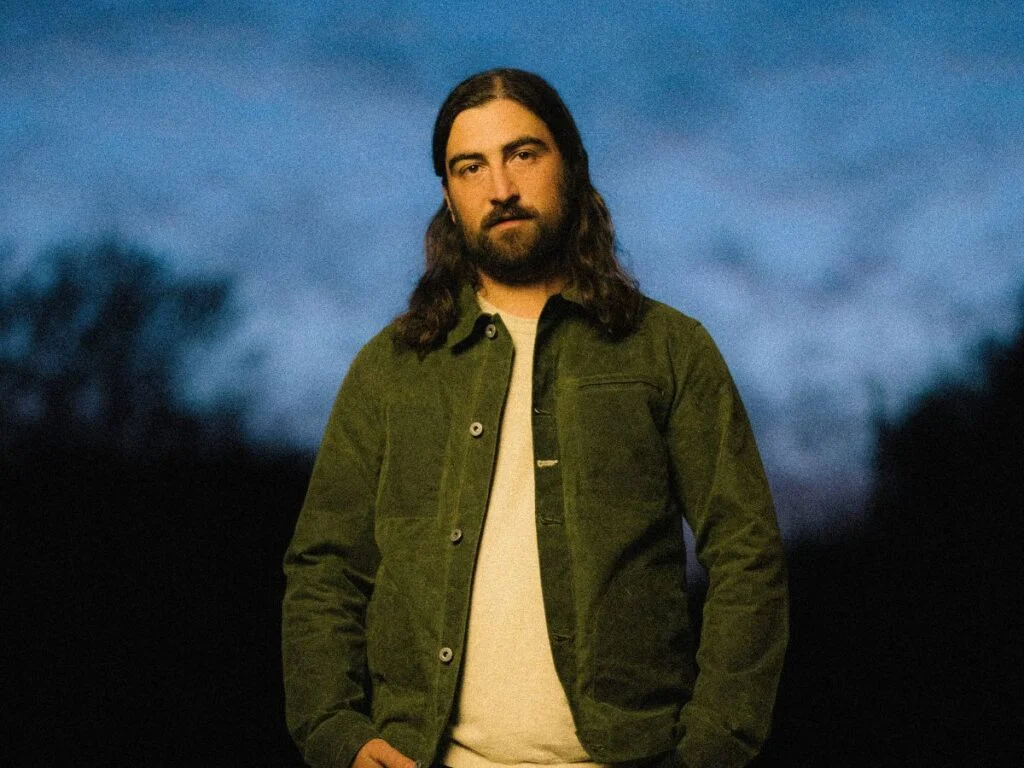
The article cites two specific examples. Noah Kahan reportedly pleaded with fans mid-show not to relieve themselves in the crowd rather than give up their spot. Olivia Rodrigo has said she often smells diapers during her performances — the result, she said, of fans so unwilling to lose their front-row position that they avoid venue restrooms entirely or simply go where they stand.
Far Out also notes a counterargument: that artists speaking publicly about the issue could make things worse rather than better. But the piece argues that, whether for the sake of everyone's noses or everyone's sanity, someone needs to say something.
A competitive hierarchy — and who it leaves out
The article locates the core problem in a comparison culture within fan communities, where the most dedicated fans are those who've attended the most shows, camped the longest, or made it to the barricade most often. The author argues this creates not just an unhealthy imbalance but, in some cases, borderline parasocial behavior — a risk the piece says is especially concerning for younger, more impressionable fans.
The other consequence singled out is exclusion. For fans with health conditions or disabilities, investing that level of time and physical endurance is often simply not possible; when those fans can't camp out or are limited to seated sections, the article says they're sometimes implicitly treated as "lesser" fans — a framing it calls indefensible. The piece also points to the broader health and safety risks the culture generates: a fan collapsing at the barricade, potentially halting the show, is hard to call a worthwhile trade-off.