Southeast Asia's Stadium Tour Problem: Public and Private Sectors 'Speak Different Languages'
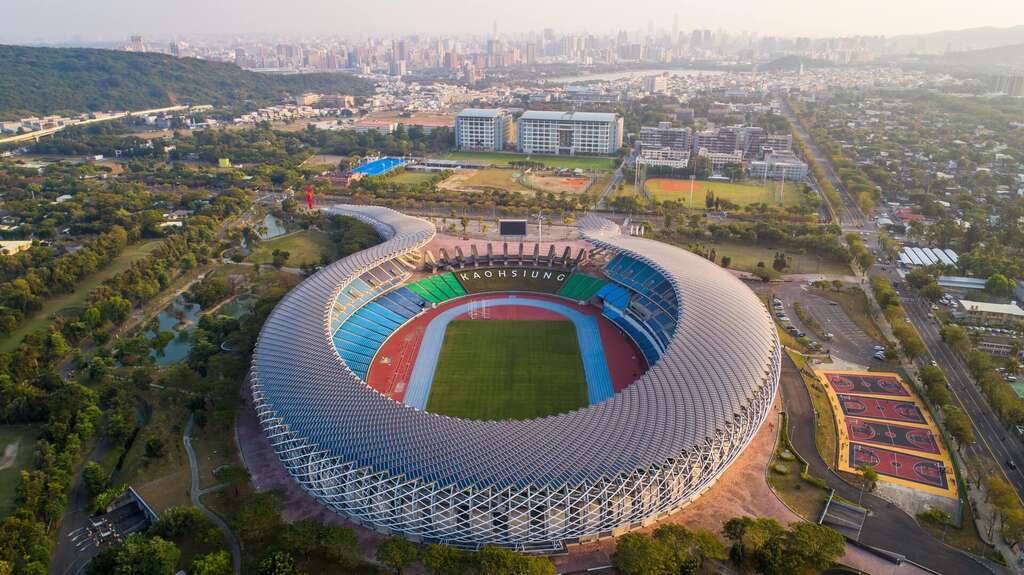
Southeast Asia has the audience numbers and venue capacity to host stadium-scale international tours — so why doesn't it happen more often? According to a new analysis in IQ Magazine, the answer isn't simply bureaucracy. It's that public and private sector players in the region are, in effect, speaking different languages.
What was reported
Jin Teik Oon, Executive Director of DisrupTEIK Consultancy, argues that government bodies and venue authorities across Southeast Asia operate on administrative logic — permitting timelines, safety approval chains, temporary structure sign-offs — that moves at a fundamentally different speed than international touring teams are used to. Private promoters and touring production crews expect fast, flexible decision-making; multi-layered government review processes routinely stall that pace.
Why it's not just red tape
Jin's central point, as reported by IQ, is that this isn't purely an efficiency problem — it's that the two sides define "success" differently. Public sector bodies prioritize city image, tax revenue, and safety track records, while private sector promoters prioritize box-office returns and production timelines. Without someone to translate between these two evaluation frameworks, the cost of communication between them runs high.
Also in this IQ Index
The same issue of IQ Magazine's IQ Index newsletter (30 July 2026) carried two other notable industry items:
- Live Nation announced plans to build South America's largest indoor arena in São Paulo, Brazil, expected to open in 2028 with a capacity of 21,000.
- US lawmakers sent a formal request to StubHub's CEO demanding an explanation over allegations of market manipulation on the platform.