Two Korean Venues Shut Down Over 'Dancing' — Bar and Live Club Owners Push for Law Change
A Busan live music venue and a Seoul restaurant have both been slapped with business suspension orders (영업정지) for the same reason: customers dancing on the premises. The two businesses are in different cities and different industries, but they've run into the same regulatory wall — and now owners and fans are pushing South Korea's National Assembly for a fix.
The situation was compiled and publicized by Instagram account topstersss, who shared a link to the parliamentary petition and called for reform of both the performance regulations covering small live clubs and the Food Sanitation Act.
The two venues
- 오방가르드 (Ovantgarde) (@ovantgarde) — a basement live club in Daeyeon-dong, Nam-gu, Busan, near the Kyungsung University/Pukyong National University nightlife district. Open since 2018, it's one of Busan's few venues consistently hosting independent live shows, and a regular stop for touring Seoul (Hongdae-scene) bands heading south.
- Oldies Taco Sinsa branch (@oldiestaco) — a location of the Oldies Taco restaurant chain in Sinsa-dong, Gangnam District, Seoul, known for Mexican food paired with a record-bar atmosphere.
Why they were penalized
Both venues were penalized for the same reason: patrons dancing inside. Under South Korea's Food Sanitation Act, food-and-beverage businesses are registered under different categories that determine, among other things, whether a dance floor or dancing by customers is permitted. A general restaurant or bar where dancing occurs can be found in violation.
The Instagram post argues that this framework is still being applied in 2026 to small performance spaces and restaurants, creating direct operational risk for venues built around live music — where a show, a DJ set, or simply a crowd moving to the music can technically break the rules. In the Oldies Taco Sinsa case, Korean media reported that the suspension period was later reduced from 40 days to 20 days through administrative process, though the underlying penalty itself remains disputed as excessive.
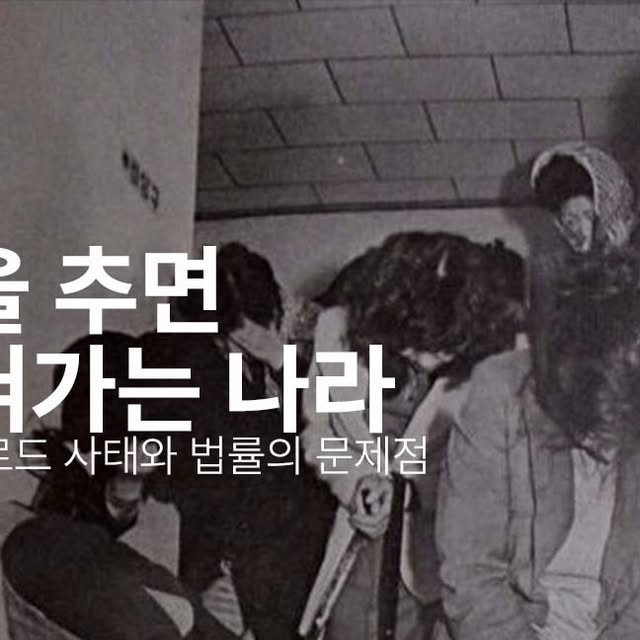
The post also cites older cases — including the film Madame Freedom and the Park In-soo incident — as historical reference points for how bans on dancing have been enforced in Korean society.
The petition
A National Assembly petition (국회 국민동의청원) is now live, titled 소규모 라이브클럽 공연법 및 식품위생법 개선 청원 (Reform Petition for the Performance Act and Food Sanitation Act Concerning Small Live Clubs), calling for changes to how current regulations are applied to small live venues.
- Petition title: 소규모 라이브클럽 공연법 및 식품위생법 개선 청원 (Reform Petition for the Performance Act and Food Sanitation Act Concerning Small Live Clubs)
- Receiving body: National Assembly Public Petition Platform, South Korea
- Petition link: petitions.assembly.go.kr
- Related accounts: @ovantgarde (Busan), @oldiestaco (Seoul)
What's not yet known
Whether the petition will actually lead to legislative change remains to be seen. No timeline for a National Assembly response has been announced, and further details are pending official statements from the relevant authorities.