Balkan Ghost Airfields: Cold War Bunkers and the Ruins of Yugoslavia
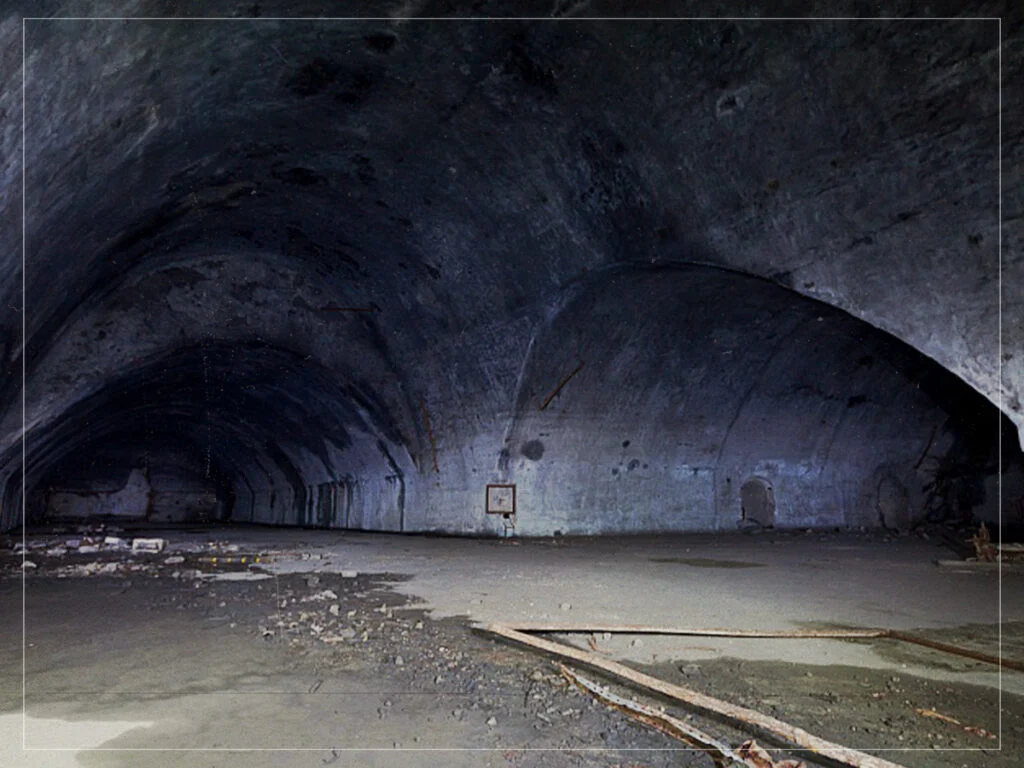
A round-up published by Far Out Magazine catalogs a cluster of long-defunct airfields scattered across Croatia, Serbia, Montenegro and Albania. Some were built as Cold War contingencies against nuclear attack, others were military bases destroyed as Yugoslavia broke apart, and a few simply ran out of funding or passengers. What's left — cracked runways swallowed by weeds, gutted terminals, empty hangars — reads as some of the most direct physical evidence of 20th-century Balkan history still standing.
Zeljava / Object 505: an airbase built inside a mountain
Zeljava, straddling the border between Croatia and Bosnia and Herzegovina, has five runways laid out in front of Mount Pljesevica, surrounded by collapsed military structures and rusted airframes. But the most striking part isn't visible from the runways at all — it's inside the mountain.
During the Cold War, Yugoslavia built a facility codenamed Object 505 (also known as Klek) designed to let the airbase survive a first strike: more than two miles of tunnels were carved into the rock to form a vast underground hangar complex, complete with repair workshops and pilot quarters, built to house the country's MiG-21 fighters. Aircraft could shelter inside during an attack, then roll out to launch a counterstrike. The entire base was kept secret for years.
As Yugoslavia collapsed and the Yugoslav People's Army withdrew, the military moved to demolish the facility rather than let it fall into enemy hands. The demolition didn't go entirely to plan — it damaged some tunnels and runways but didn't bring down the whole complex. Today Zeljava draws urban explorers and graffiti artists, with walls heavily painted over, though there are still reports of unexploded landmines on site, making it genuinely dangerous to visit.
Gjader: Albania's isolationist mountain base
Facing what it saw as a Yugoslav threat, Albania built its own airbase, Gjader, breaking ground in 1969. Once complete, the mountain complex was estimated to be able to store around 50 aircraft along with the personnel and equipment to run them. Enver Hoxha's communist regime was famously paranoid and isolationist — often compared to North Korea today — and the hidden tunnel network stands as physical evidence of his fear of invasion by neighboring states.
The base stayed in use after Hoxha's death, finally shutting down operations in 2000 as upkeep became harder to sustain. During Albania's political unrest in 1997, the site was broken into and several structures, including the control tower, were destroyed. It's still used today for aircraft storage and retains a degree of mystery.
Ponikve: runways scarred by the 1999 NATO bombing
Smaller and less storied than Zeljava, Ponikve in western Serbia has its own mark on the record. Its large runway was originally built for military use and occasionally handled civilian flights in the mid-1990s. During NATO's 1999 bombing campaign against Yugoslavia, Ponikve was struck repeatedly and left badly damaged.