Silent Hill Composer Akira Yamaoka: "I Wasn't Chasing Fear — I Was Chasing Unease"
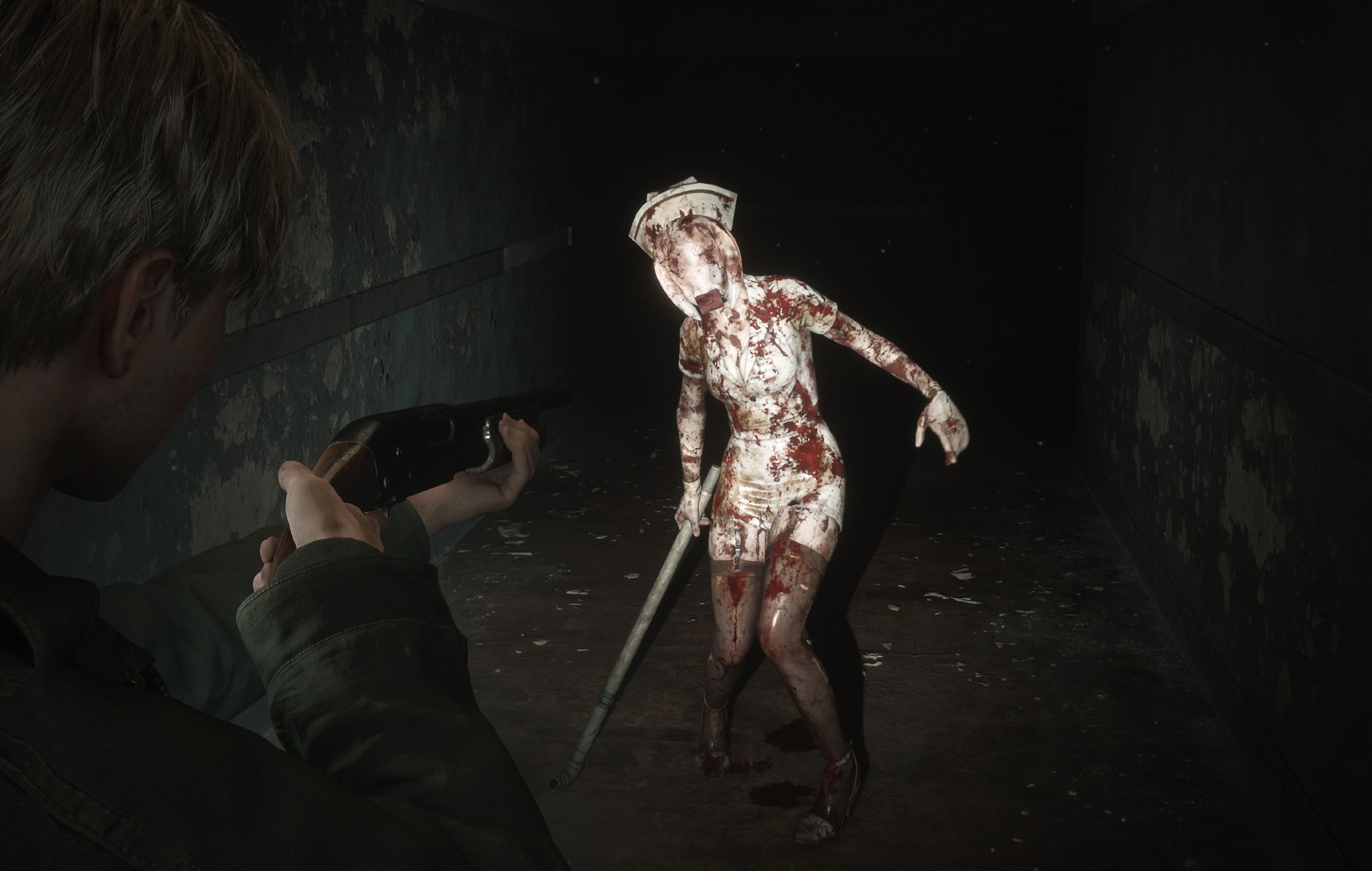
Composer Akira Yamaoka sat down with NME to revisit the creative thinking behind the soundtrack to the 1999 psychological horror game Silent Hill. His goal, he says, was never simple shock value: it was "a kind of psychological unease — even if you can't tell exactly what's wrong, you just feel that something is off." The interview was published by NME on July 28, 2026.
An unconventional sound on purpose
Horror games of the same era — Resident Evil 2, Dino Crisis — mostly leaned on high-adrenaline chase cues and jump-scare stings. Yamaoka went the other way, pulling in industrial rock, ambient textures and film-style sound design: radio static, unidentifiable mechanical noise and fragmented tones that at times barely register as "music" at all. "I wasn't trying to be different for the sake of it," he said. "I just felt this was how Silent Hill was supposed to sound."
Before joining the Silent Hill team, Yamaoka had already worked at Konami on Contra: Hard Corps, Sparkster, and music for Hideo Kojima's Snatcher. He volunteered for the Silent Hill score because he believed he was the one person who could capture the psychological register the game needed. "Fear isn't something you simply show the player," he explained. "It's something you make them feel."
Why it still matters
The original Silent Hill went on to sell more than two million copies, cementing the franchise as a defining horror series of the 2000s. Yamaoka has scored nearly every entry in the series since, along with all three live-action film adaptations. Looking back, he credits the willingness to trust an unusual idea: "I think that's exactly what let the series build its own identity."
An industrial-music lineage still audible today
NME's report also traces the soundtrack's ripple effects on modern game scoring — from the procedurally generated, real-time-responsive tracks of Death Stranding 2 to the emotionally reactive orchestral work in Clair Obscur: Expedition 33. Industrial textures have since become something close to a genre standard in horror games, but Yamaoka isn't worried about it curdling into formula. "Originality doesn't come from a specific genre," he said. "It comes from the perspective behind it."